Karbon has no free trial and no free tier. Not a trial that expires after two weeks, not a capped free plan, nothing. A firm has to sign an annual contract before it can see whether the shared-inbox workflow actually fits how its team works. That single fact, more than any feature gap, is what sends firms looking for an alternative before they have even signed up. Among the five catalog tools built for the same job, running a firm's workflow, client communication, and deadlines in one shared system, four let you load in real client data and try it before paying a cent. Karbon and TaxDome are the two holdouts. And on pricing structure, four of the five charge per user the way Karbon does; only Pixie charges by client count with unlimited seats, which changes the math the moment a firm adds a part-time admin or a junior staffer rather than another client.
This guide sorts five alternatives by what actually separates them from Karbon and from each other: trial access, pricing model, and which specific gap in Karbon's product each one closes. For the wider category, including tools built around a client portal or a CRM rather than a shared-inbox workflow, see Best AI Practice Management Software for Accounting Firms, the hub this article sits under.
The short answer
- Want to try it before signing anything: Canopy, Financial Cents, Jetpack Workflow, and Pixie all offer a free trial. Karbon and TaxDome do not.
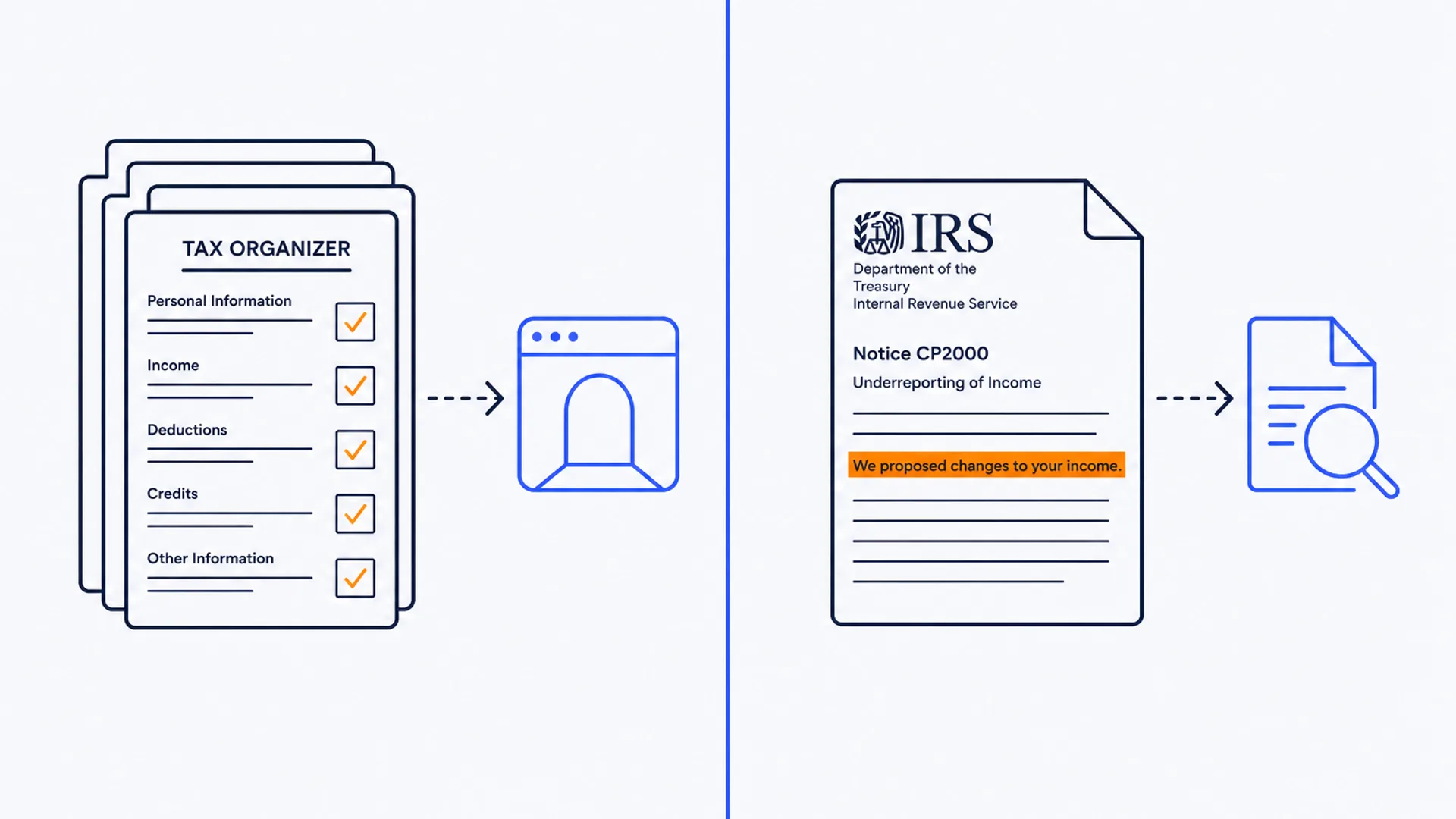
- Run mostly tax-prep work with pre-filing questionnaires: TaxDome bundles tax organizers into the client portal, a feature Karbon does not have at all, though it shares Karbon's no-trial policy.
- Want AI features without paying extra for them: Canopy includes checklist generation, email summarization, and form auto-fill on its base Standard tier, at $74 per user per month.
- Are a solo or two-person shop on a tight budget: Financial Cents starts at $19 a month for a single user, well under Karbon's $59 seat price.
- Just need job tracking and nothing else: Jetpack Workflow is workflow only, no portal, no billing, at a flat $40 per user per month.
- Are adding staff faster than clients: Pixie charges by client count with unlimited users, so headcount growth does not move the bill the way it does on every per-seat tool here, including Karbon.
Why firms look past Karbon
Three specific frictions come up more than any complaint about how Karbon's shared inbox actually performs.
No way to try before you buy. Karbon's own pricing page requires an annual commitment with no trial period and no free tier under any usage level. A firm cannot load a handful of real clients in and see how the team adapts to email-as-workflow before the contract is signed.
No tax organizers. Karbon's collaboration model is built around email and task handoffs, not pre-filing client questionnaires. A tax-heavy practice that wants clients to complete organizer forms inside a branded portal will not find that feature here at all.
Built for firms of five to fifty. Karbon's own fit guidance says as much: solo practitioners who already manage clients from a personal inbox gain little from a shared-team workspace built around handoffs between colleagues.
Matching your actual complaint to a section below beats picking a name because it sounds like a reasonable swap. A firm annoyed by the missing trial gains nothing from TaxDome, which shares that exact gap.
TaxDome: tax-organizer-led, and just as trial-free as Karbon
TaxDome covers the same ground as Karbon, client portal, workflow templates, billing, document management, but builds the whole product around US tax-prep season. Pre-filing tax organizers are the centerpiece: clients fill in a structured questionnaire inside the portal instead of a back-and-forth email thread, which is the exact feature Karbon does not offer.
The trade-off is pricing structure and trial access, not features. TaxDome bills annually per user, from $800 a year on Essentials up to $1,200 a year on Business, and offers no free trial at all, the same gap that sends firms away from Karbon in the first place. A firm switching from Karbon to TaxDome purely to escape the no-trial problem will find the identical wall waiting on the other side. The switch only makes sense if the actual complaint is the missing tax organizers, not the inability to pilot the tool first.
Canopy: AI baked into the base tier, but US only
Canopy runs a CRM, workflow, time tracking, billing, and client portal in one system, and puts AI features, checklist generation, email thread summarization, and form auto-fill, into the entry-level Standard plan rather than gating them behind a higher tier. That base plan starts at $74 per user per month, billed annually, and Canopy offers a free trial to test it first, closing the exact gap Karbon leaves open.
The catch is geography. Canopy's tax integrations (Drake, ProConnect, UltraTax, direct IRS transcript pulls) and its whole product are built for the US market only. Karbon serves firms in the US, UK, Australia, and Canada with real customer bases in each; a UK or Australian practice moving from Karbon to Canopy would be trading a global tool for a US-only one.
Financial Cents: the passwordless portal at a fraction of the price
Financial Cents targets the same solo-to-small firm segment Karbon's pricing tends to price out. The Solo plan runs $19 a month for a single user, and Team plans start at $49 per user per month, both well under Karbon's $59 seat price. A 14-day free trial with no credit card required removes the exact friction Karbon does not solve.
Its standout feature is a passwordless client portal: clients click a link, upload documents, sign agreements, and pay invoices with no account to create. That is a genuinely different approach from Karbon's email-centric model, though Financial Cents trades reach for it, integrating only with QuickBooks Online and focusing on the US and Canada, where Karbon connects to QuickBooks, Xero, and a wider set of collaboration tools across more countries.